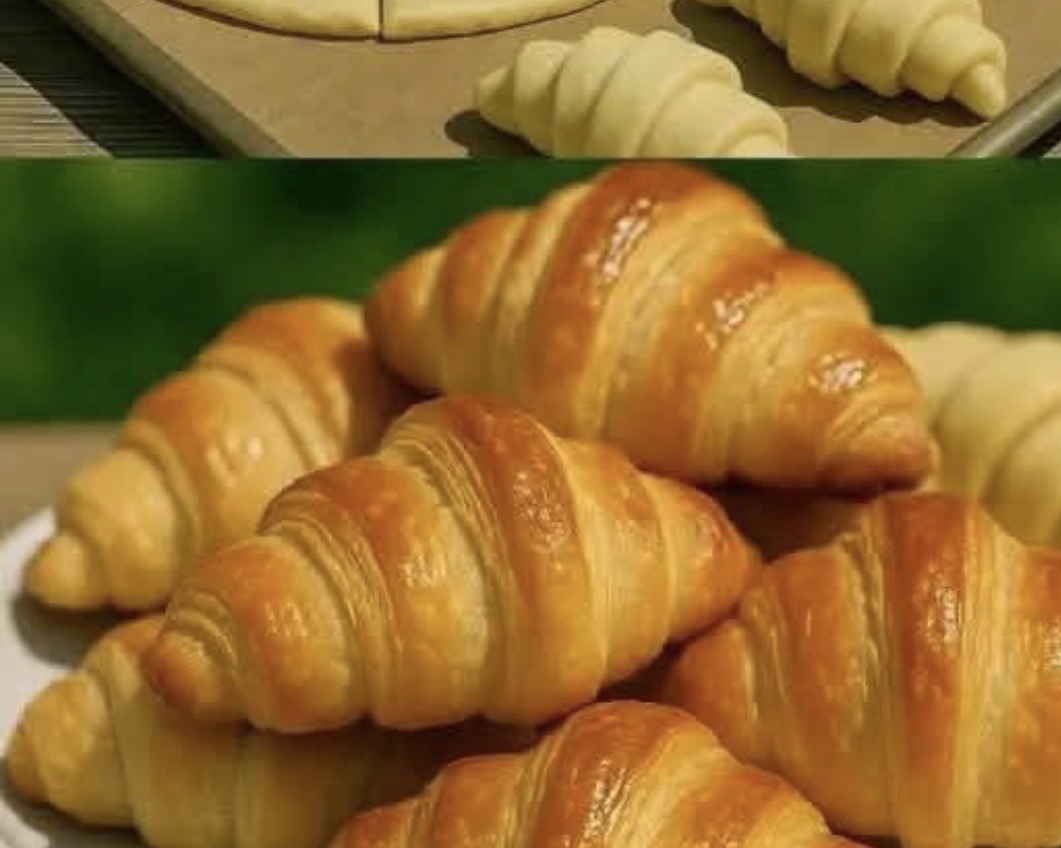
Discover how to make Easy Homemade Croissants with this simple, step-by-step recipe. These buttery breakfast pastries feature a golden, crispy exterior, a soft and airy center, and beautiful flaky layers. Perfect for breakfast, brunch, or a special weekend treat!
Introduction
There is something truly magical about waking up to the aroma of freshly baked croissants. Their golden-brown exterior, delicate buttery layers, and soft, airy interior make them one of the most beloved breakfast pastries around the world. Whether enjoyed with a cup of coffee, served alongside fresh fruit, or filled with chocolate, homemade croissants bring a little bakery-style luxury into your kitchen.
This Easy Homemade Croissants Recipe is designed for anyone who wants to enjoy authentic, buttery pastries without needing professional baking equipment. While traditional croissants require patience and careful preparation, this recipe guides you through every step, making the process easier to understand and follow.
The secret to perfect croissants is lamination, a technique that involves folding butter into dough several times to create thin, alternating layers. During baking, the butter releases steam, causing the layers to expand and form the signature flaky texture.
These homemade croissants are ideal for breakfast, brunch gatherings, holiday mornings, or simply enjoying a delicious homemade pastry with your favorite drink.
Once you try making croissants from scratch, you will appreciate the wonderful flavor, texture, and freshness that homemade baking offers.
Why You’ll Love This Easy Homemade Croissants Recipe
There are many reasons to make these delicious croissants at home.
- Rich buttery flavor: Every bite is filled with the delicious taste of real butter.
- Beautiful flaky layers: The lamination technique creates a delicate, crispy exterior.
- Soft and airy interior: Proper fermentation produces a light, tender center.
- Simple ingredients: You only need a few basic baking ingredients.
- Perfect for breakfast: These pastries pair beautifully with coffee, tea, milk, or fresh juice.
- Customizable: You can make chocolate, almond, cheese, or other delicious variations.
- Make-ahead friendly: The dough can be prepared and chilled overnight.
Recipe Information
| Category | Details |
| Recipe Name | Easy Homemade Croissants |
| Cuisine | French-Inspired |
| Preparation Time | 45 minutes |
| Chilling Time | 8–12 hours |
| Proofing Time | 2–3 hours |
| Baking Time | 18–22 minutes |
| Total Time | Approximately 9–13 hours |
| Servings | 12 croissants |
| Difficulty | Intermediate |
| Course | Breakfast, Brunch, Snack |
| Calories | Approximately 280 per croissant |
Ingredients for Homemade Croissants
The ingredients for homemade croissants are simple, but their quality makes a big difference in the final result.
For the Dough
- 500 g all-purpose flour or bread flour
- 60 g granulated sugar
- 10 g salt
- 10 g instant yeast
- 250 ml cold whole milk
- 40 g unsalted butter, softened
For the Butter Layer
- 250 g high-quality unsalted butter, cold but pliable
For the Egg Wash
- 1 large egg
- 1 tablespoon milk
Optional Serving Ingredients
- Powdered sugar
- Strawberry jam
- Honey
- Chocolate spread
- Fresh berries
- Whipped cream
How to Make Easy Homemade Croissants
Step 1: Prepare the Dough
In a large mixing bowl, combine the flour, sugar, salt, and instant yeast.
Add the cold milk and softened butter. Mix until a rough dough forms.
Transfer the dough to a lightly floured surface and knead for approximately 5–8 minutes until smooth and elastic.
Shape the dough into a rectangle, wrap it tightly in plastic wrap, and refrigerate for at least 1–2 hours.
For the best flavor and texture, allow the dough to rest overnight.
Step 2: Prepare the Butter Block
Place the cold butter between two sheets of parchment paper.
Using a rolling pin, gently pound and roll the butter into a square approximately 20 × 20 cm.
The butter should be cold but flexible enough to bend without breaking.
If it becomes too soft, refrigerate it for 10–15 minutes before continuing.
Step 3: Enclose the Butter
Remove the chilled dough from the refrigerator.
Roll it into a rectangle approximately 40 × 20 cm.
Place the butter block in the center of the dough and fold the dough over it, completely enclosing the butter.
Pinch the edges gently to seal.
Make sure the butter is completely covered by the dough.
Step 4: Perform the First Fold
Lightly flour your work surface.
Roll the dough into a long rectangle approximately 60 × 20 cm.
Fold one end toward the center, then fold the opposite end over it, creating a letter fold.
Wrap the dough and refrigerate for 30–45 minutes.
Step 5: Repeat the Folding Process
Remove the dough from the refrigerator.
Roll it into another rectangle and repeat the letter fold.
Refrigerate again for 30–45 minutes.
Repeat this process one more time, completing three letter folds in total.
Keep the dough cold throughout the process. If the butter begins to soften or leak, stop rolling and refrigerate the dough.
Step 6: Shape the Croissants
After the final chilling period, roll the dough into a rectangle approximately 4–5 mm thick.
Trim the edges to create a neat rectangle.
Cut the dough into long triangles, approximately 10–12 cm wide at the base.
Make a small cut in the center of each triangle’s base.
Gently stretch each triangle and roll it from the wide end toward the pointed tip.
Place the shaped croissants on a parchment-lined baking tray with the pointed tips tucked underneath.
Step 7: Proof the Croissants
Cover the croissants loosely with plastic wrap or a clean kitchen towel.
Allow them to rise in a warm place for approximately 2–3 hours.
The croissants should become noticeably larger, light, and slightly wobbly when the tray is gently shaken.
Avoid proofing them in an excessively hot environment because the butter may melt before baking.
Step 8: Apply the Egg Wash
In a small bowl, whisk together the egg and milk.
Gently brush the egg wash over the surface of each croissant.
Avoid allowing the egg wash to drip down the cut edges, as this may interfere with the layers rising properly.
The egg wash creates a beautiful golden-brown color and glossy finish.
Step 9: Bake the Croissants
Preheat your oven to 200°C (400°F).
Place the croissants in the oven and bake for approximately 18–22 minutes.
They should become deeply golden brown, crisp, and beautifully puffed.
Once baked, transfer the croissants to a wire rack and allow them to cool for 10–15 minutes before serving.
The inside should be soft, airy, and filled with delicate layers.
The History of Croissants
Croissants are among the most famous pastries in French cuisine, but their history is more complicated than many people realize.
The crescent-shaped pastry is often associated with Austria and a traditional pastry known as the kipferl.
Kipferl pastries have existed for centuries and were traditionally shaped like crescents. They were made using different types of dough and were not necessarily the buttery, laminated pastries we know today.
During the 19th century, Viennese baking traditions influenced French bakeries. The croissant gradually developed into a richer pastry made with laminated yeast dough.
French bakers perfected the technique of folding butter into dough repeatedly, creating thin layers that expand during baking.
Over time, croissants became a symbol of French breakfast culture.
Today, croissants are enjoyed worldwide in countless variations, including chocolate croissants, almond croissants, savory croissants, and cream-filled pastries.
Benefits of Homemade Croissants
Homemade croissants offer several advantages when prepared with quality ingredients and enjoyed as part of a balanced diet.
Freshness and Ingredient Control
Making croissants at home allows you to control the ingredients and enjoy them fresh from the oven.
You can choose high-quality butter, fresh milk, and flour without relying on unnecessary additives.
Customizable Flavors
Homemade croissants can be adapted to suit different preferences.
You can add dark chocolate, almond cream, cheese, or other fillings to create different flavors.
A Satisfying Breakfast
Croissants contain carbohydrates and fats, which provide energy.
Pairing a croissant with eggs, yogurt, fruit, or milk can help create a more balanced breakfast with additional protein, vitamins, and minerals.
A Rewarding Baking Experience
Making croissants can be a relaxing and enjoyable activity.
The process encourages patience, creativity, and attention to detail.
Perfect for Sharing
Homemade croissants are excellent for family breakfasts, brunch parties, celebrations, and weekend gatherings.
Freshly baked pastries can make an ordinary morning feel special.
Understanding Croissant Formation and Lamination
The formation of croissants is what makes them different from ordinary bread.
The pastry is created through a process called lamination.
Lamination involves placing a layer of butter inside dough and folding the dough repeatedly to create alternating layers.
During baking, the butter melts and releases moisture. The moisture turns into steam, which expands between the dough layers.
The dough rises and separates into thin sheets, creating the signature flaky texture.
At the same time, yeast fermentation produces carbon dioxide, helping the dough develop a light and airy interior.
The combination of butter, steam, and fermentation creates the beautiful honeycomb structure found inside a perfectly baked croissant.
Why Butter Temperature Matters
Butter that is too cold may break into hard pieces during rolling.
Butter that is too warm may melt into the dough and destroy the layers.
The ideal butter should be cool, flexible, and similar in consistency to the dough.
Maintaining the correct temperature is one of the most important secrets to successful homemade croissants.
Tips for Perfect Flaky Croissants
Use High-Quality Butter
Butter with a higher fat content can help create rich flavor and beautiful layers.
European-style butter is often preferred because it contains more fat and less water than standard butter.
Keep Everything Cold
Cold dough and butter are essential for successful lamination.
If the dough becomes warm, the butter may soften and blend into the dough.
Do Not Rush the Folding Process
Allow the dough to rest in the refrigerator between folds.
Resting relaxes the gluten, making the dough easier to roll and helping prevent shrinkage.
Avoid Adding Too Much Flour
Excess flour can make the croissants dry and affect their texture.
Use only enough flour to prevent sticking.
Proof Carefully
Underproofed croissants may be dense and have a tight interior.
Overproofed croissants may collapse or lose their shape.
Look for croissants that are visibly expanded and gently wobble when moved.
Bake Until Deeply Golden
A pale croissant may have a doughy interior.
Allow the pastries to become a rich golden brown for the best flavor and crispness.
Delicious Croissant Variations
Chocolate Croissants
Place a small piece of dark chocolate near the wide end of each triangle before rolling.
The chocolate melts during baking, creating a rich and delicious filling.
Almond Croissants
Fill baked croissants with almond cream and top them with sliced almonds.
Bake briefly until the almond topping becomes golden and fragrant.
Ham and Cheese Croissants
Add thin slices of ham and cheese to the dough before rolling.
This savory version is perfect for breakfast or lunch.
Strawberry Croissants
Fill baked croissants with fresh strawberries and whipped cream.
Dust lightly with powdered sugar for a beautiful dessert-style pastry.
Cinnamon Sugar Croissants
Sprinkle a small amount of cinnamon sugar over the dough before shaping.
The result is a sweet, aromatic pastry with a delicate cinnamon flavor.
Serving Suggestions
Homemade croissants taste wonderful when served warm and fresh.
Here are some delicious ways to enjoy them:
- With hot coffee or a cappuccino
- With fresh orange juice
- With strawberry or raspberry jam
- With honey and butter
- With scrambled eggs and cheese
- With fresh fruit and yogurt
- With chocolate spread
- With a cup of hot chocolate
For a beautiful breakfast presentation, arrange the croissants on a serving plate with fresh berries, a small bowl of jam, and your favorite morning drink.
Storage and Reheating Instructions
How to Store Croissants
Allow the croissants to cool completely before storing them.
Place them in an airtight container at room temperature for up to 2 days.
For longer storage, freeze the baked croissants in a freezer-safe bag for up to 2 months.
How to Reheat Croissants
To restore their crisp texture, preheat the oven to 175°C (350°F).
Place the croissants in the oven for approximately 5–8 minutes.
If reheating frozen croissants, allow a little additional time.
Avoid microwaving them for too long because this can make the pastry soft and chewy rather than crisp.
Can You Prepare Croissant Dough in Advance?
Yes!
Croissant dough is ideal for overnight preparation.
You can prepare the dough, complete the folds, and refrigerate it overnight.
You can also shape the croissants and refrigerate them overnight before proofing and baking the next morning.
This makes homemade croissants especially convenient for weekend breakfasts.
Common Croissant Baking Mistakes
| Mistake | How to Fix It |
| Butter leaks during rolling | Keep the dough and butter cold |
| Croissants are dense | Allow enough proofing time |
| Layers are not visible | Perform proper letter folds |
| Dough becomes difficult to roll | Refrigerate and let it rest |
| Croissants are pale | Bake until deeply golden |
| Interior is doughy | Bake longer and check oven temperature |
| Butter melts during proofing | Proof in a cooler environment |
Frequently Asked Questions
Are homemade croissants difficult to make?
Croissants require patience, but the process becomes easier with practice. Following the folding, chilling, and proofing steps carefully will help you achieve excellent results.
What type of flour is best for croissants?
Bread flour provides good structure and elasticity. All-purpose flour also works well and can produce tender croissants.
Can I use margarine instead of butter?
Butter is recommended for the best flavor and texture. Special pastry margarine designed for lamination can work, but ordinary margarine may not produce the same results.
Why are my croissants not flaky?
The most common reasons are warm butter, insufficient folding, inadequate chilling, or incorrect proofing.
Can I freeze unbaked croissants?
Yes. Shaped croissants can be frozen before proofing. Thaw them in the refrigerator and allow them to proof until light and expanded before baking.
How do I know when croissants are fully proofed?
They should look noticeably larger, feel light, and wobble gently when the tray is moved.
How many calories are in one croissant?
A homemade butter croissant typically contains approximately 250–350 calories, depending on its size and ingredients.
Can I prepare croissants the night before?
Yes. Preparing and chilling the dough overnight is one of the best ways to organize the process and develop flavor.
Conclusion
Easy Homemade Croissants are the perfect way to bring the magic of a French bakery into your own kitchen.
With their golden crust, buttery flavor, and delicate layers, these pastries are a wonderful treat for breakfast, brunch, or any special occasion.
Although making croissants requires time and patience, the process is incredibly rewarding. By following the simple steps of mixing, laminating, folding, proofing, and baking, you can create delicious homemade pastries that are every bit as satisfying as bakery-style croissants.
The beauty of this recipe is its versatility. Enjoy them plain, fill them with chocolate, add almond cream, or create savory versions with cheese and ham.
Once you experience the flavor and texture of freshly baked croissants, you may never want to buy them from the bakery again.
For Croissant Lovers
If you are a true croissant lover, this recipe is a must-try!
Imagine waking up to the smell of warm butter, freshly baked pastry, and a delicious cup of coffee. Every bite offers a satisfying crunch followed by a soft, airy interior that melts in your mouth.
Whether you enjoy a classic butter croissant, a chocolate-filled version, or a savory breakfast pastry, homemade croissants are a beautiful way to make mornings more delicious.
Bake a batch, share them with your loved ones, and enjoy the simple pleasure of homemade goodness.
Save this Easy Homemade Croissants Recipe for your next breakfast or brunch!
Printable Recipe Card
Easy Homemade Croissants
Description: Homemade croissants with a golden, crispy exterior, soft airy center, and rich buttery layers.
Ingredients:
- 500 g flour
- 60 g sugar
- 10 g salt
- 10 g instant yeast
- 250 ml cold milk
- 40 g softened butter
- 250 g unsalted butter for lamination
- 1 egg and 1 tablespoon milk for egg wash
Instructions:
- Mix the flour, sugar, salt, yeast, milk, and softened butter to form a smooth dough.
- Refrigerate the dough for at least 1–2 hours.
- Prepare a 20 × 20 cm butter block.
- Enclose the butter in the dough.
- Roll and fold the dough three times, chilling between folds.
- Roll the dough to 4–5 mm thickness and cut into triangles.
- Roll the triangles into croissant shapes.
- Proof for 2–3 hours until light and expanded.
- Brush with egg wash.
- Bake at 200°C (400°F) for 18–22 minutes until golden brown.
- Cool slightly and serve fresh.
Prep Time: 45 minutes
Chilling Time: 8–12 hours
Proofing Time: 2–3 hours
Cook Time: 18–22 minutes
Servings: 12 croissants
Calories: Approximately 280 per croissant